Auto-Dubbing Just Changed Global Watch Time
YouTube just removed language as a watch time limiter, and your channel is now competing globally by default.
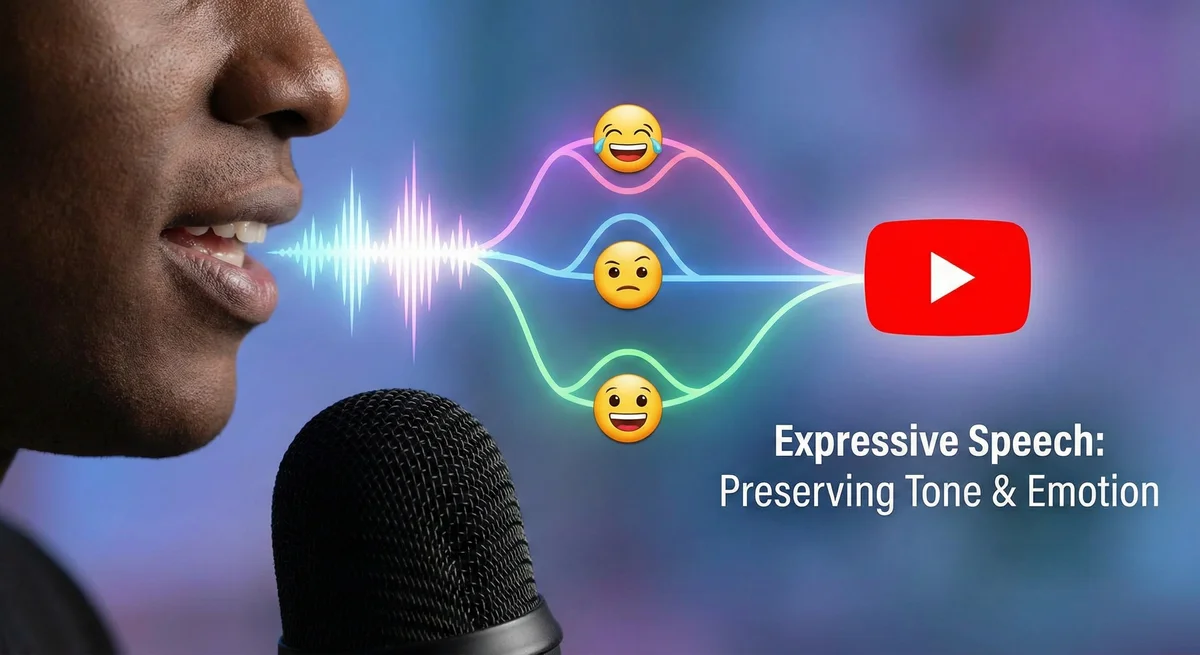
Auto-dubbing for all creators means more supply in every niche, in every language. If your first 30 seconds are weak, Expressive Speech will not save your retention curve.
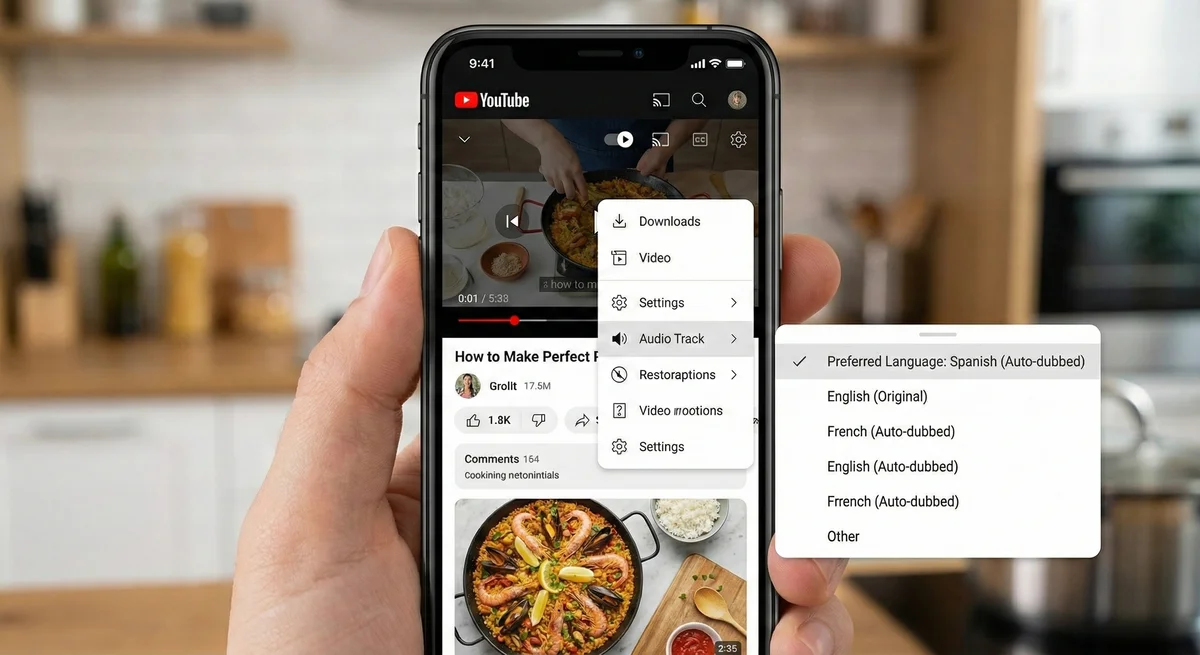
- How to enable Auto-dubbing in YouTube Studio
- YouTube Auto-dubbing vs human dubbing
- Expressive Speech + Preferred Language workflow
Ship a 6–8 minute “before/after” retention test video with side-by-side clips per language. Use this hook: "YouTube is translating your channel now—here’s what it does to watch time." A/B thumbnails: (A) Two flags + your face mid-sentence vs (B) YouTube Studio screen showing multiple audio tracks.
“Higher CTR opens the door, but retention decides who survives multilingual watch time.”