Stop Opening With Your Animated Short
Film a first-screening story around your animated short: show one viewer's response, then reveal the scene they watched.
The opening is a reaction whose cause hasn't been revealed yet. The animation becomes the answer to a specific question: what prompted that response?
A consenting viewer's real reaction, the scene they watched, your storyboard beside the finished frames, and their feedback afterward.
Viewers see whether your intended emotion landed and which creative choice they would keep or change.
SIGNAL
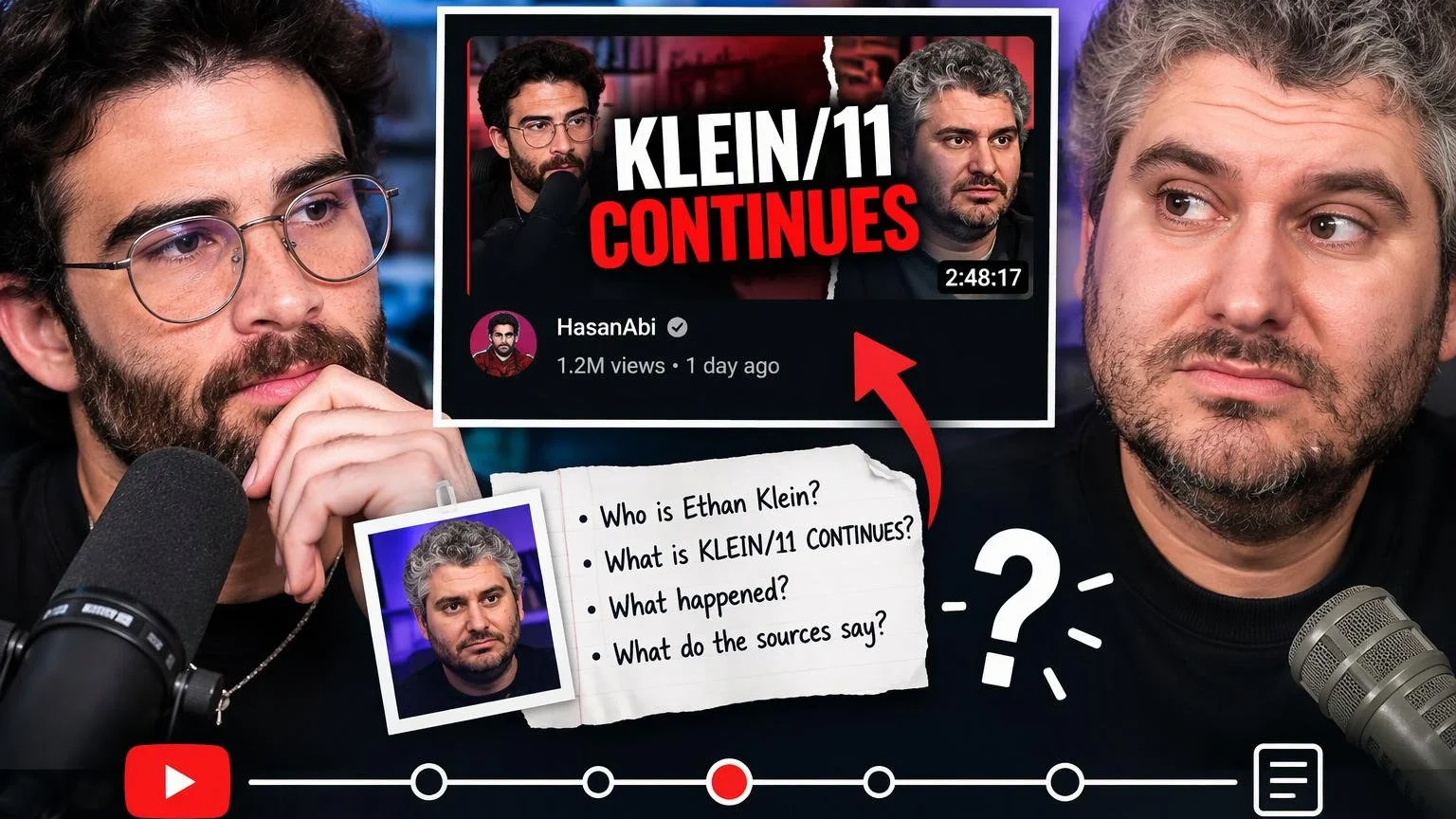
The animated short breakout points toward a screening-story angle. The supplied reference, Ross Draws' "I Finally Screened My Animated Short!! 😭", packages a milestone; its title alone doesn't establish what caused its performance.
Build your version around one scene and one audience response. Show the reaction, replay the scene, compare it with your original intention, and finish with the viewer's explanation.
CREATOR ANGLE
Lead with the screening reaction rather than your most polished animation.
The mechanism: an unexplained response creates a question that the scene can resolve. Treat that as a hypothesis to test, not a guaranteed improvement.
Title angle: "Their Reaction To My Animated Short". Use a thumbnail pairing the viewer's actual expression with the relevant frame.
SHIP TODAY
Film a 60–90 second screening breakdown. Open with: "This was their reaction to my animated short. Here's the scene they watched."
Record the screening with permission. Capture the response without directing it. Ask what prompted it. Insert the scene and a storyboard comparison, then close with their answer.
Run one retention experiment: make two cuts with identical footage after the opening. Start one with the reaction and the other with animation. Randomly assign comparable test viewers to each; record when they stop watching. Compare the share still watching at 30 seconds before choosing your opening.
The screening deserves witnesses, not hired applause.